
In today’s digital age, ensuring the safety and security of your home is paramount. Setting up a CCTV system can provide peace of mind and protection for your loved ones and property.
This step-by-step guide will navigate you through the process of selecting the right equipment, strategically placing cameras, and establishing monitoring capabilities CCTV Singapore. Empower yourself with the knowledge to safeguard your home effectively through the installation and implementation of a comprehensive CCTV system.

Choosing the Right CCTV Equipment
One crucial step in setting up a CCTV system in your home is selecting the appropriate number of cameras and recording devices to meet your security needs. Assess your property layout, vulnerable areas, and desired coverage to determine the optimal quantity of cameras required.
Consider factors such as camera resolution sg CCTV, night vision capability, and weather resistance to ensure comprehensive monitoring. Additionally, choose a reliable recording device with ample storage capacity to retain footage for an adequate period.
Opt for systems that offer remote access and mobile alerts for added convenience and peace of mind. By carefully selecting the right combination of cameras and recording equipment, you can establish a robust surveillance system that aligns with your freedom and security preferences.
Planning Camera Placement
When planning camera placement for your CCTV system in your home, consider strategic locations that maximize coverage and minimize blind spots. Start by identifying key entry points such as doors, windows, and any other vulnerable areas.
Place cameras at a height that is out of reach but still offers a clear view. Ensure that there are no obstructions like trees or bushes blocking the camera’s line of sight. It’s important to cover both indoor and outdoor spaces to enhance security.
Additionally, think about areas where valuable items are kept, as these might be prime targets for intruders. By strategically placing your cameras, you can create a comprehensive surveillance network that provides peace of mind and the freedom to monitor your home effectively.
Installing the CCTV Cameras
To ensure comprehensive coverage and maximize security in your home, the next step after planning camera placement is installing the CCTV cameras in strategic locations.
Begin by mounting the cameras high enough to prevent tampering but low enough to capture facial features. Ensure they are angled correctly to cover entry points and vulnerable areas. Follow the manufacturer’s instructions for installation, which usually involves drilling holes for mounting brackets and running cables to a centralized recording unit.
Conceal wires where possible to prevent interference and tampering. Test the cameras to verify their field of view and adjust as needed. Finally, secure the cameras with tamper-proof screws and regularly check for any obstructions that may affect their functionality.
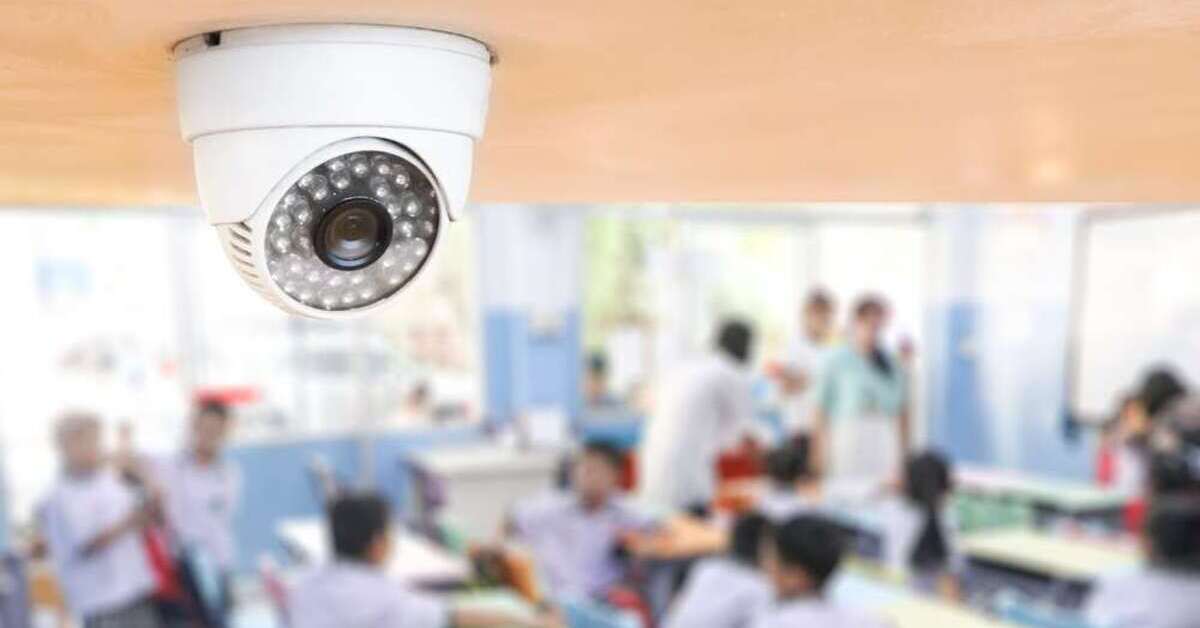
Setting Up Monitoring and Recording
After installing the CCTV cameras, the next crucial step in setting up a comprehensive surveillance system in your home is configuring the monitoring and recording functionalities.
To ensure effective monitoring, connect your cameras to a digital video recorder (DVR) or network video recorder (NVR). These devices enable real-time viewing of camera feeds, playback of recorded footage, and storage options.
Set up motion detection and alerts to receive notifications of any suspicious activity. Customize recording settings such as continuous recording or scheduled recording based on your preferences.
Ensure that your storage capacity is adequate for storing footage, and regularly back up important recordings to prevent data loss.
Testing and Troubleshooting
The testing and troubleshooting of the CCTV system in your home is crucial to ensuring its proper functionality and effectiveness in surveillance. After setting up the system, conduct comprehensive tests to verify camera angles, motion detection, recording capabilities, and remote access.
Ensure all cameras have clear views, there are no blind spots, and night vision works effectively. Test the recording functionality by reviewing playback footage and checking for any gaps or malfunctions. Verify remote access through apps or software from different devices to ensure seamless monitoring.
In case of any issues, troubleshoot by checking connections, power sources, and camera settings. Regular testing and troubleshooting will help maintain a reliable CCTV system for enhanced security in your home.
Conclusion
In conclusion, setting up a CCTV system in your home involves several steps:
- Choosing the right equipment
- Planning camera placement
- Installing the cameras
- Setting up monitoring and recording
- Testing for any issues
By following these steps, you can enhance the security of your home and have peace of mind knowing that your property is being monitored.
It is important to ensure the system is properly installed and functioning correctly to maximize its effectiveness in protecting your home.
…